


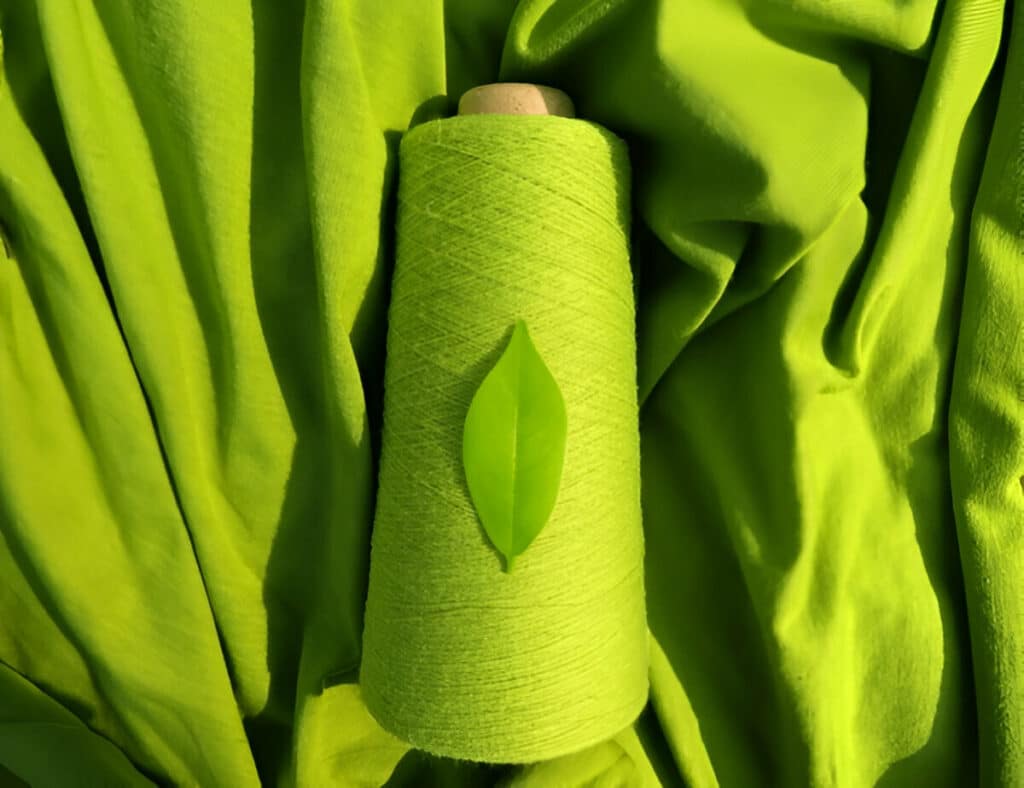
The textile industry has come under significant pressure in recent years regarding sustainability. Consumers no longer demand just stylish and affordable clothes — they are also questioning the environmental impact of production. This growing awareness is pushing textile producers toward more responsible and eco-friendly methods. Yarn recycling is at the heart of this transformation. But how exactly does this process impact the industry?
First, it’s important to note: yarns are the fundamental building blocks of textile products. Recycling these materials reduces both raw material usage and waste. Especially materials like cotton, polyester, and wool can be reprocessed into yarn. This results in major savings in water, energy, and chemicals needed for new yarn production.
For example, producing one kilogram of recycled cotton yarn requires about 70% less water compared to growing and processing new cotton. This isn’t just an environmental gain — it’s also an economic advantage. For manufacturers, the process lowers raw material costs while boosting brand value. Sustainable brands are perceived as more trustworthy by consumers and are preferred in many international markets.
Recycling also impacts the supply chain. Textile companies now evaluate not only fabric suppliers but also yarn providers based on sustainability standards. This creates a competitive advantage for businesses investing in recycling. As both large-scale manufacturers and small workshops increasingly use recycled yarns, the capacity and quality of recycling facilities improve. The ecosystem grows, bringing more players into the fold.
In conclusion, yarn recycling not only makes the textile industry more eco-conscious but also more resilient and innovative. The sector is using natural resources more efficiently and reducing environmental impact. As consumer expectations evolve, recycling is no longer an option — it’s a necessity.
In today’s and tomorrow’s textile world, the story of yarn no longer ends in the trash — it transforms, is rewoven, and contributes to a sustainable future.
Recycling and the Carbon Footprint