

Recycling and the Carbon Footprint
One of the most serious environmental threats facing our planet is the rapidly increasing carbon emissions. A carbon...
Homepage / FAQ
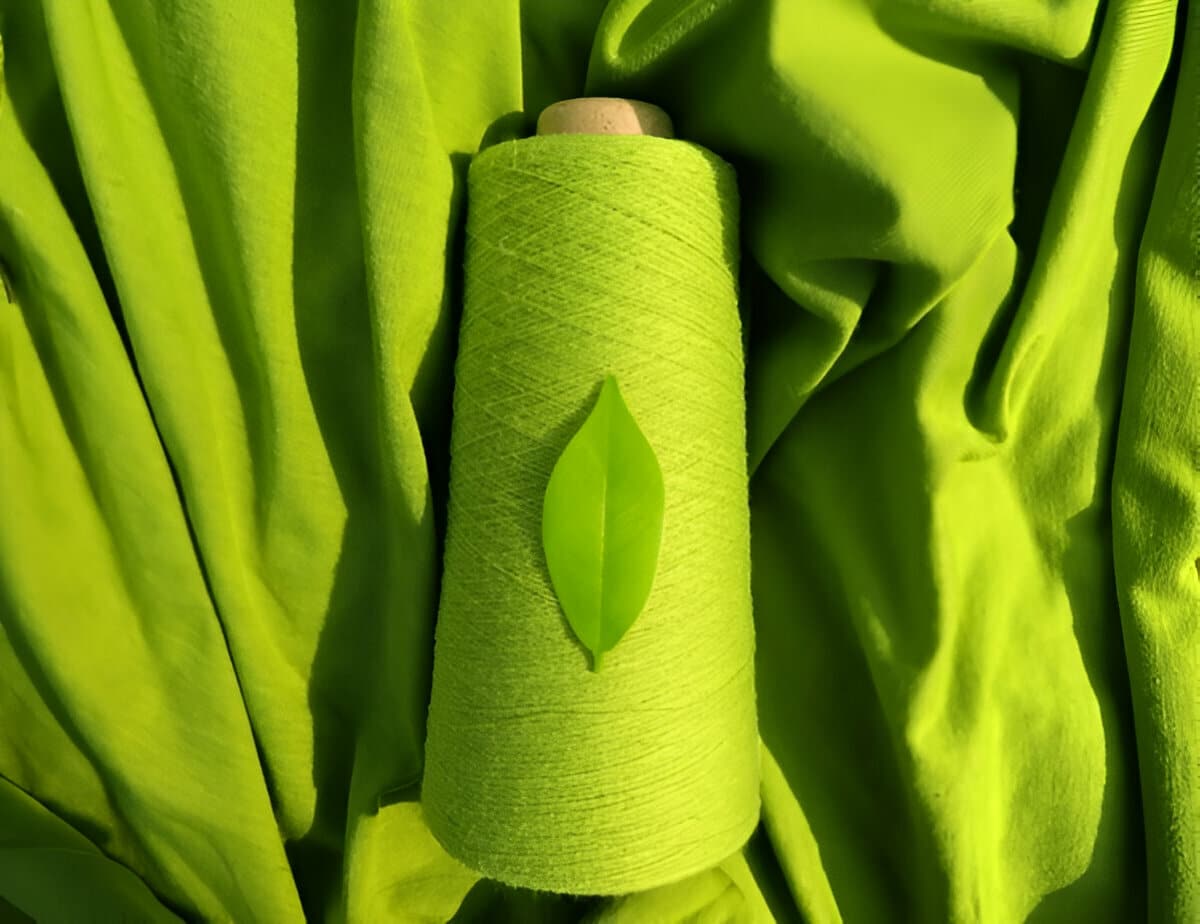
Textile waste occurs during the garment (ready-made garment) production process. These wastes are the remaining fabric pieces after cutting in the garment. Fabric wastes of different colors and content collected from ready-made garment manufacturers are classified according to fabric type and fabric color and are sold to manufacturers in various sectors after recycling.
Textile recycling contributes to reducing carbon footprint.
Natural resources and the environment are protected by recycling textile waste.
Products obtained from recycled textile waste are reintroduced to the economic cycle.
Recycled products are used in sock production, towel production, knitwear production, woven fabric, knitted fabric and garment accessory sectors.
You, our valuable and curious readers, can review the news below to access detailed information about our sector.
One of the most serious environmental threats facing our planet is the rapidly increasing carbon emissions. A carbon...
The textile industry has come under significant pressure in recent years regarding sustainability. Consumers no longer demand just...

The textile industry is one of the largest sectors globally, but it also ranks among the most environmentally...